
If you’ve ever scrolled through photos of Tokyo, you’ve likely seen it: a vibrant, chaotic, and utterly mesmerizing explosion of color, layers, and fearless style. Welcome to Harajuku.
Tucked between the bustling hubs of Shinjuku and Shibuya, this neighborhood isn’t just a shopping district—it’s a global symbol of avant-garde street fashion. From the frills of Lolita to the neon hair clips of Decora, Harajuku has birthed trends that have rippled across the globe.
But how did a quiet neighborhood in Tokyo become the undisputed epicenter of youth rebellion and self-expression in a country known for its strict social conformity? Let’s take a walk down Takeshita Street and explore the history of Harajuku.
The Post-War Window
The story starts after World War II. During the allied occupation, the US military established a housing complex called Washington Heights near Harajuku station. Shops catering to American soldiers opened up, selling Western goods, denim, and records. For Japanese youth, Harajuku became a rare window into American culture and a completely different lifestyle.

The “Pedestrian Paradise”
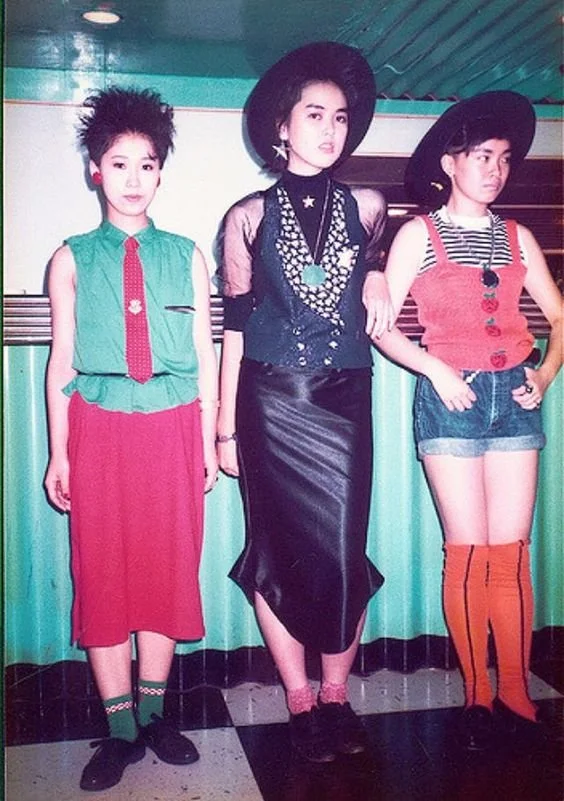
In 1977, Harajuku introduced Hokoten (short for hokousha tengoku, or “pedestrian paradise”). Every Sunday, the main roads were closed to cars. This gave young people a massive, safe outdoor stage. Groups dressed in matching, brightly colored outfits would gather to dance, establishing Harajuku as the ultimate place to see and be seen.
Ura-Hara and the Street Tribes
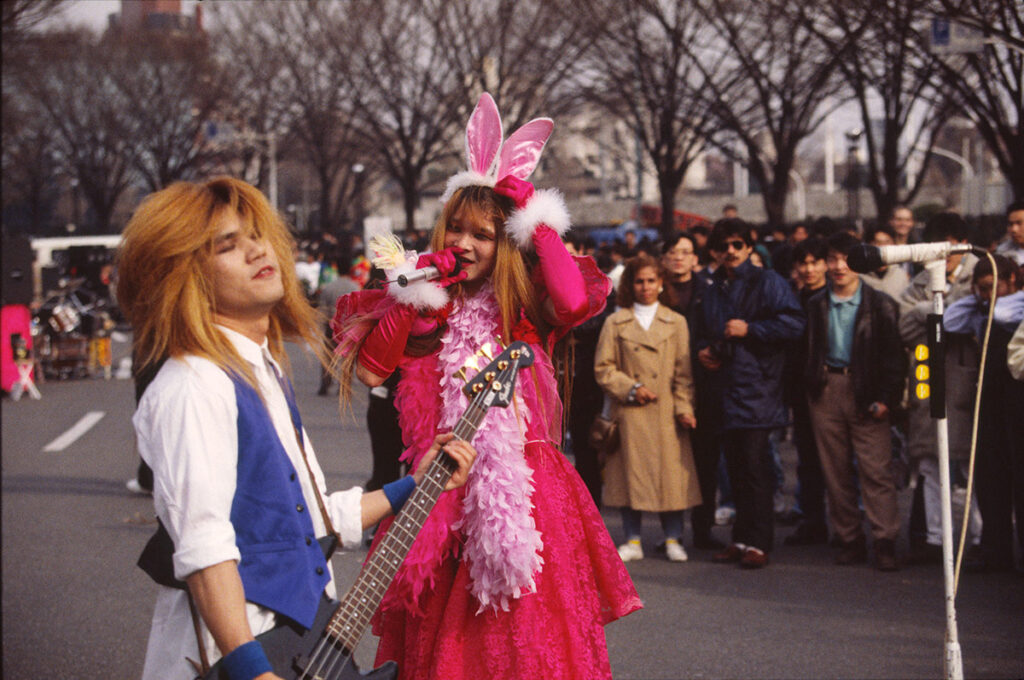
By the 1990s, the winding backstreets known as Ura-Harajuku (or “Ura-Hara”) became the birthplace of Japanese streetwear. Pioneers like Hiroshi Fujiwara and Nigo (founder of A Bathing Ape) set up tiny, exclusive shops that influenced global modern streetwear.
Simultaneously, youth subcultures were violently rejecting the rigid expectations of traditional Japanese society. They used clothes as armor, creating distinct tribes:
- Lolita: Victorian-inspired frills, petticoats, and lace.
- Decora: An explosion of bright colors and excessive plastic hair clips.
- Visual Kei: A glam-rock and punk aesthetic with striking makeup.

The FRUiTS Phenomenon
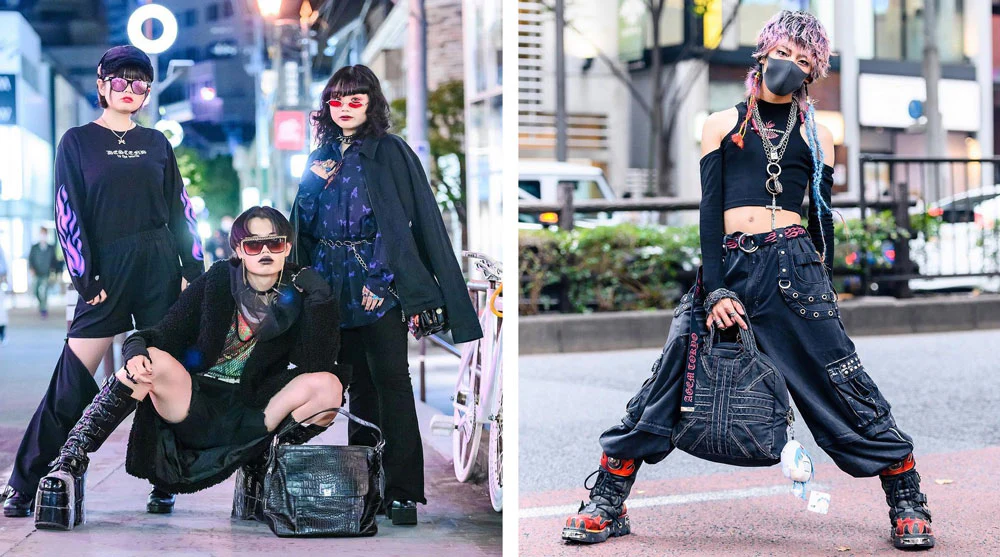
Harajuku might have remained a local secret if not for photographer Shoichi Aoki. In 1997, he founded FRUiTS, a magazine dedicated entirely to documenting the uncurated, wild outfits of Harajuku kids. The magazine was exported internationally, putting the neighborhood on the mood boards of major fashion designers worldwide.

A Sanctuary for Individuality
While the rise of fast fashion and social media means the streets look a bit different today than they did in the 90s, Harajuku’s spirit lives on. It became the heart of Japanese youth fashion because it offered something incredibly rare: a sanctuary. In a society where the nail that sticks up gets hammered down, Harajuku remains the place where the brightest, most colorful nails go to shine.