Blog

  • Mori Kei Style Guide: How to Dress Like a “Forest Girl”

    Mori Kei Style Guide: How to Dress Like a “Forest Girl”

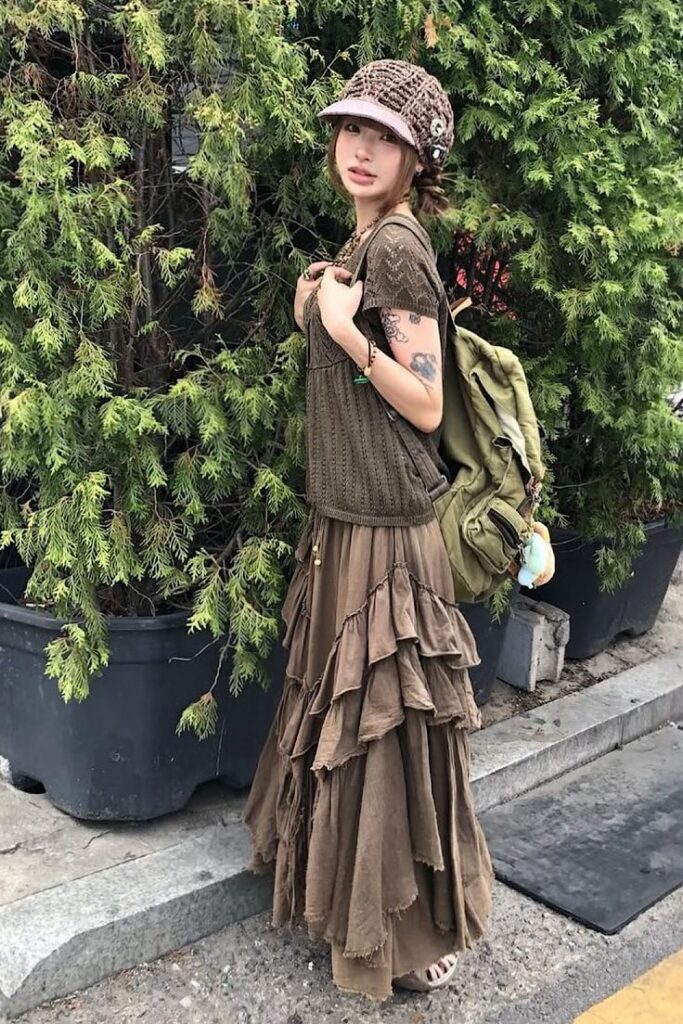
    Imagine stepping out of a cozy, sunlit cottage in the middle of a peaceful woodland. The air is crisp, and your outfit feels just as comforting as a warm cup of tea. Welcome to the world of Mori Kei.

    Originating in Japan in the late 2000s, Mori literally translates to “forest,” and Kei means “style.” Unlike the bright, neon colors of Harajuku’s cyber or pop aesthetics, Mori Kei is the gentle, introverted cousin. It’s a fashion subculture dedicated to looking as though you live in the woods, blending vintage charm with a deep appreciation for nature.

    If you are drawn to the whimsical, cozy, and layered look of the “forest girl,” here is your ultimate style guide to mastering the Mori Kei aesthetic.


    1. The Color Palette: Earthy & Muted

    To build a Mori Kei wardrobe, start by looking at nature. You want to avoid anything too bright, neon, or starkly artificial. Instead, focus on soft, earthy hues that mimic a forest landscape.

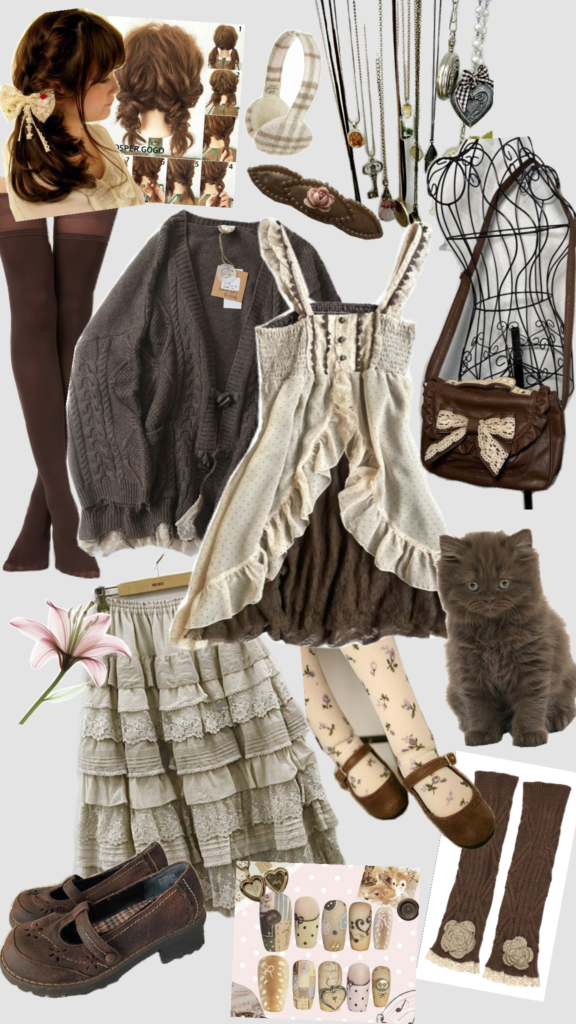
    • Base Colors: Creams, off-whites, oatmeal, and soft greys.
    • Earth Tones: Chocolate browns, moss greens, olive, rust, and mustard yellow.
    • Accents: Dusty rose, faded burgundy, or muted navy.
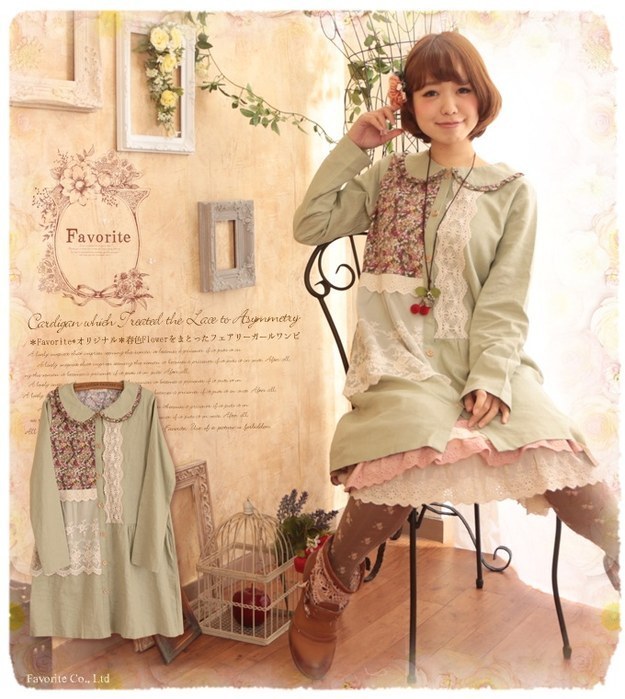
    2. Fabrics: Natural & Textured

    Mori Kei champions comfort and vintage aesthetics, so the textiles you choose are crucial. Synthetic, shiny fabrics are usually avoided.

    • Cotton and Linen: Perfect for dresses, blouses, and base layers.
    • Wool and Tweed: Essential for cozy outerwear, cardigans, and winter skirts.
    • Lace and Crochet: Used generously as trims, collars, or delicate outer layers to add a touch of romantic nostalgia.

    3. The Silhouette: Loose & Layered

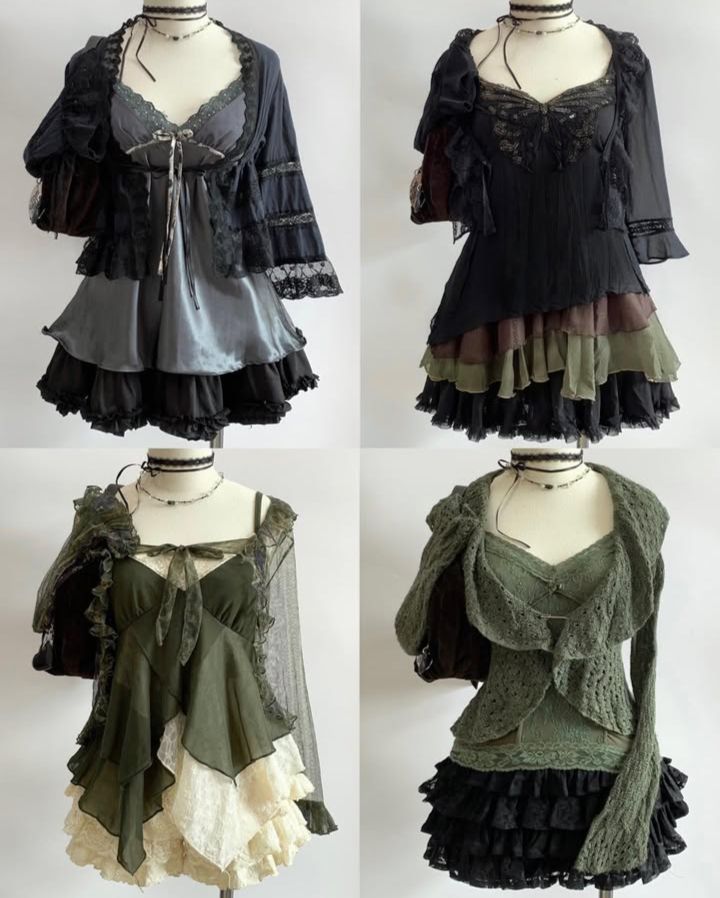
    The golden rule of Mori Kei is layering. The silhouette is never form-fitting; instead, it relies on A-line shapes, oversized fits, and flowing garments that create a soft, cocoon-like effect.

    • Dresses over Skirts: Don’t be afraid to let a ruffled underskirt peek out from beneath a smock dress.
    • Chunky Knits: An oversized, slouchy cardigan or a poncho thrown over a delicate floral dress is a staple Mori look.
    • Leggings and Tights: Bare legs are rare in Mori Kei. Layer thermal leggings, thick woolen tights, or ruffled socks under your skirts for warmth and texture.
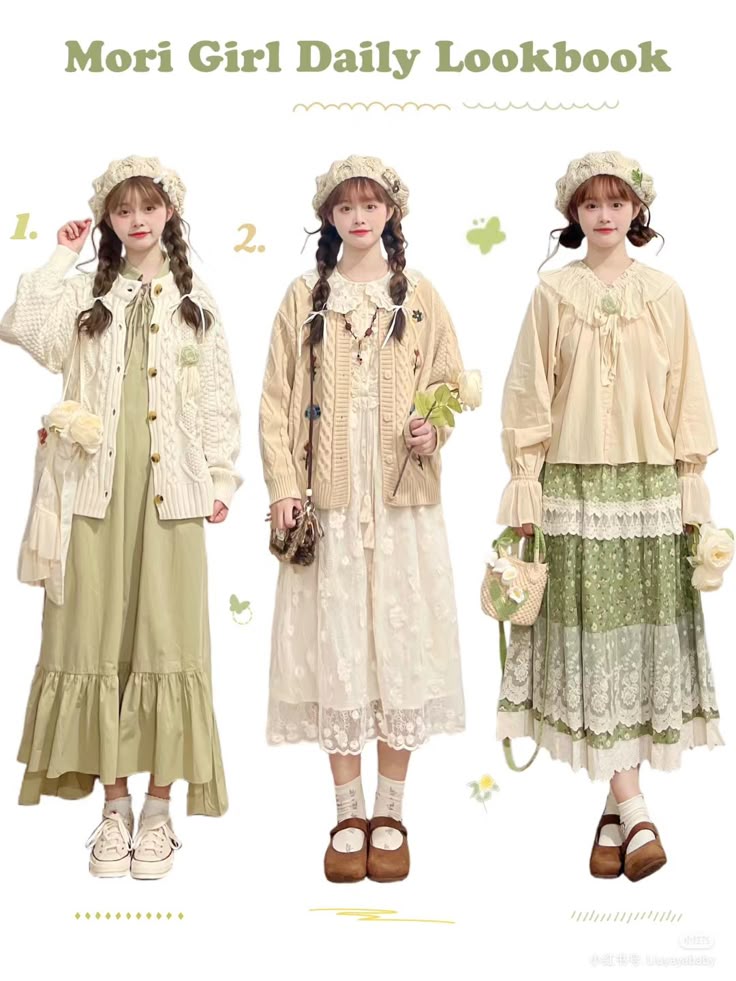
    Style Tip: Balance your layers! If you are wearing a bulky knit sweater on top, pair it with a flowing, lightweight linen skirt on the bottom so the outfit doesn’t swallow you up completely.

    4. Key Wardrobe Pieces to Hunt For

    Building a Mori Kei wardrobe is a slow, curated process. Thrift stores, vintage shops, and handmade marketplaces are your best friends. Look for:

    • The Smock Dress: Loose, comfortable, and often featuring a Peter Pan collar or subtle floral embroidery.
    • Tiered Midi/Maxi Skirts: Perfect for spinning in meadows and layering.
    • The Slouchy Cardigan: The cozier, the better. Look for cable knits or wooden buttons.
    • Pinafores: Great for layering over long-sleeved blouses or turtlenecks.
    5. Footwear & Accessories

    Accessories in Mori Kei are functional, whimsical, and often have a handmade feel.

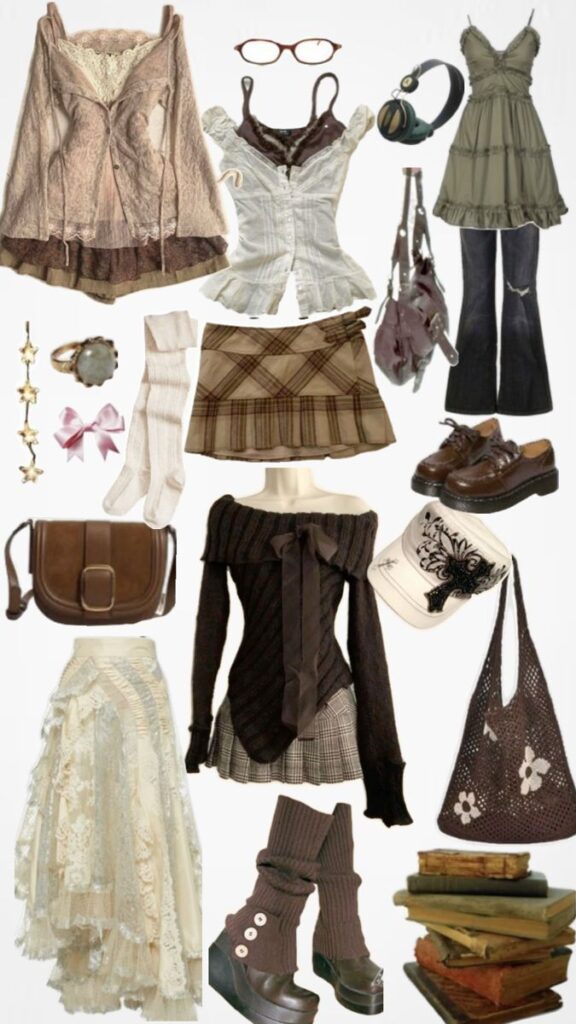
    • Shoes: Flat, comfortable, and vintage-inspired. Brown leather lace-up boots, Mary Janes, and soft suede loafers are perfect.
    • Bags: Leather satchels, woven wicker baskets, or canvas tote bags.
    • Jewelry: Keep it vintage and nature-inspired. Think pocket watches on long chains, antique lockets, cameo rings, and floral motifs.
    • Winter Warmers: Knit scarves, shawls, mittens, and berets.
    6. Hair & Makeup: Soft & Natural

    Mori Kei beauty is effortless and fresh-faced.

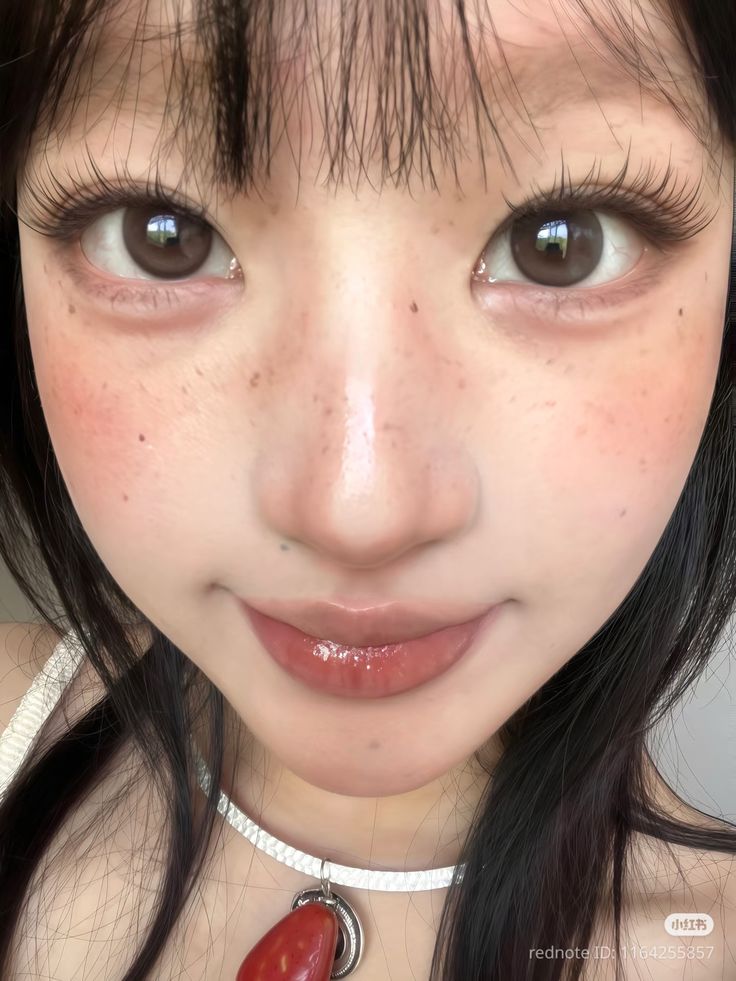
    • Hair: Think messy braids, loose waves, and low, relaxed buns. Bangs (fringes) are very popular. You can accessorize with a simple lace headband, a floral clip, or a knit beret.
    • Makeup: Keep it minimal. A light base, soft brown eyeliner instead of harsh black, and a rosy blush applied high on the cheeks to give a “just came in from the cold” flush. Finish with a tinted lip balm.

    Embracing the Forest Girl Lifestyle

    Mori Kei is more than just clothes; it’s a mindset. It’s about romanticizing the quiet moments, reading a book in a cafe, pressing flowers, and sipping hot cocoa on a rainy day. Dress for yourself, prioritize your comfort, and let your wardrobe reflect your love for the natural world.

  • Gyaru Fashion: From Shibuya Streets to Global Trend

    Gyaru Fashion: From Shibuya Streets to Global Trend

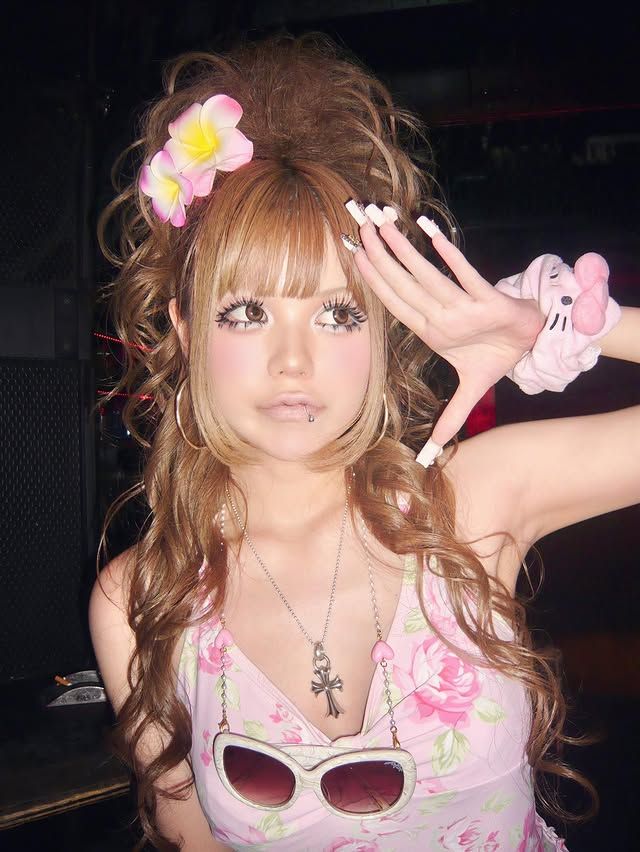
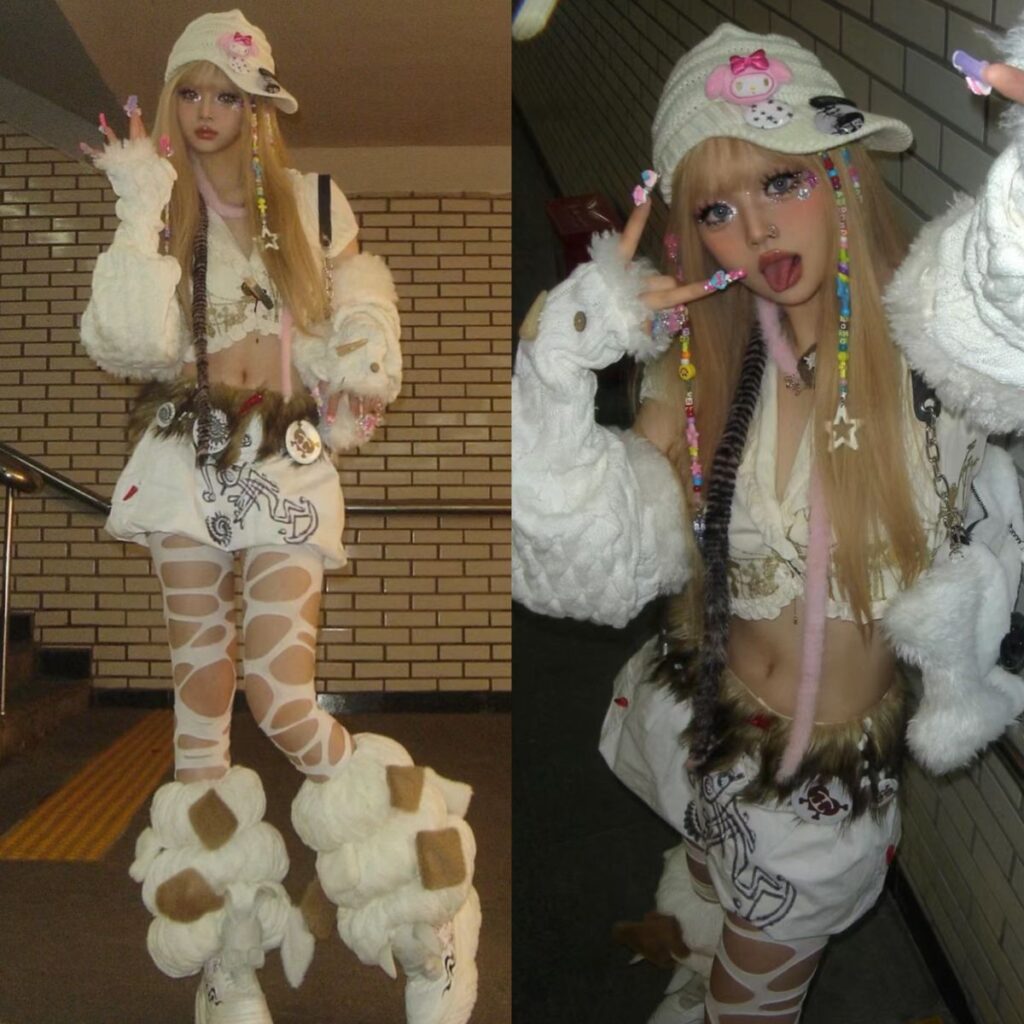
    Forget the quiet, subservient beauty standards of 1990s Japan. Gyaru fashion (from the English “gal”) didn’t just walk onto the scene—it stomped in on 10cm platform boots. Born in the neon-lit streets of Shibuya, this subculture was a fierce rebellion against the “good girl” archetype, trading natural looks for bleached hair, deep tans, and a “wild” attitude.

    Today, in 2026, the aesthetic has evolved from a local Tokyo subculture into a global phenomenon, fueled by Gen-Z nostalgia and a digital-age revival.

    If you’re looking to embrace your inner Gal in 2026, it’s all about maximalism and confidence.

    1. Hair & Makeup: Go Big or Go Home

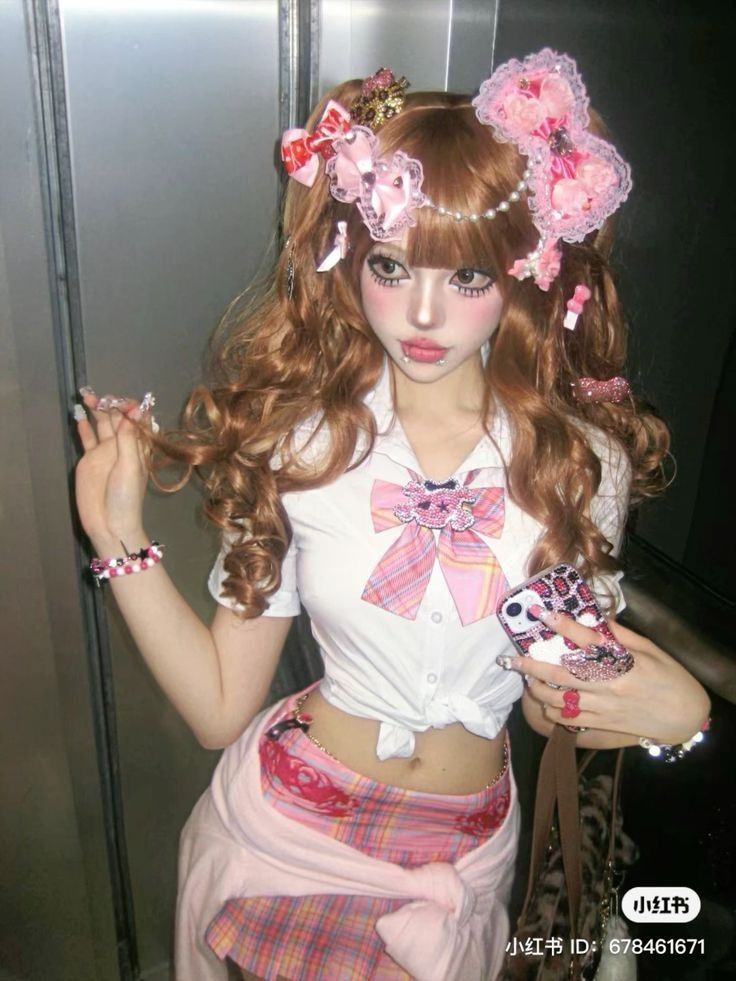
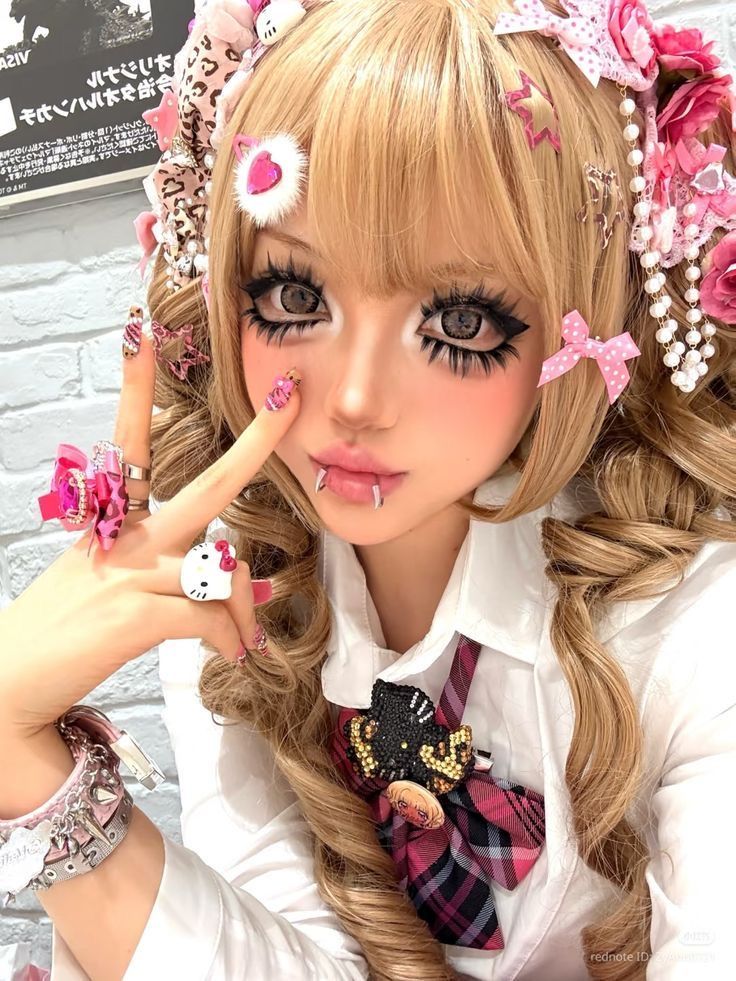
    • The Mane: Volume is non-negotiable. Whether it’s teased curls, long extensions, or bleached blonde tones, the hair must make a statement.
    • The Eyes: “Dolly” eyes are achieved with heavy false lashes (top and bottom), circle lenses to enlarge the pupils, and strategic eyeliner.
    • The Glow: While the extreme charcoal tans of the Manba era have softened, a sun-kissed glow or shimmery bronzer remains a staple.

    2. The Wardrobe Staples

    • The Silhouette: Think fitted and “sexy.” Mini skirts, off-the-shoulder tops, and bodycon dresses are essential.
    • Footwear: Platform boots or chunky heels. If you aren’t at least three inches taller, are you even doing it right?
    • Prints: Leopard and zebra prints are the unofficial Gyaru uniform.

    3. Accessories (The “More is More” Rule)

    Don’t stop at one necklace. Layer up! Use fur stoles, oversized gold hoops, and “deco” phone cases. Your nails are your most important accessory—long, 3D, and dripping in charms and rhinestones.

  • Tokyo Fashion Week: Reflecting Japan’s Street Fashion Culture

    Tokyo Fashion Week: Reflecting Japan’s Street Fashion Culture

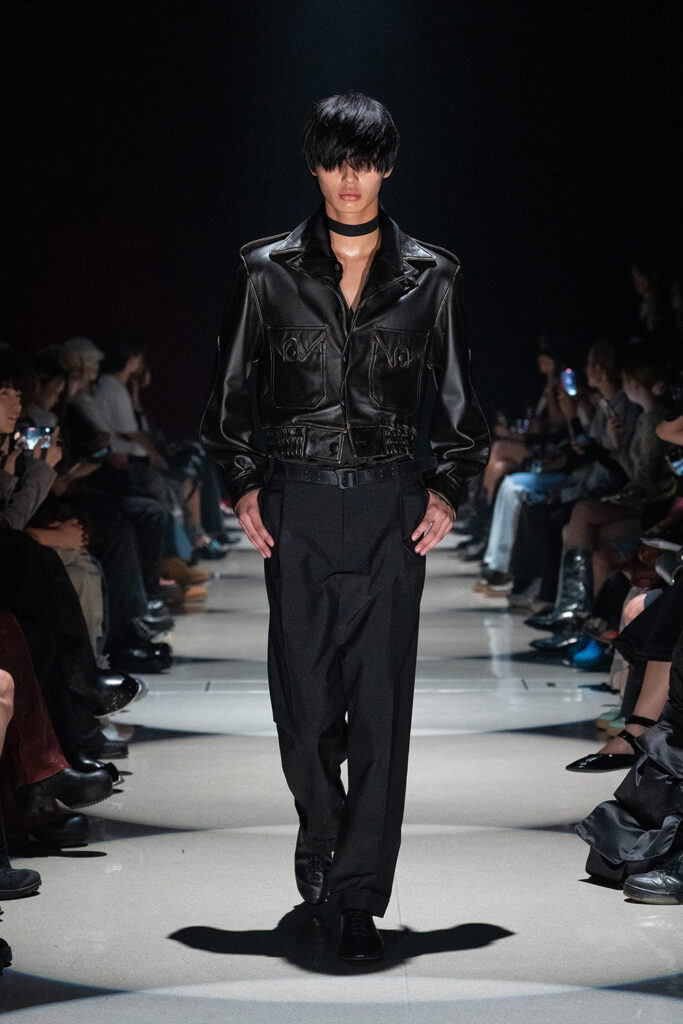
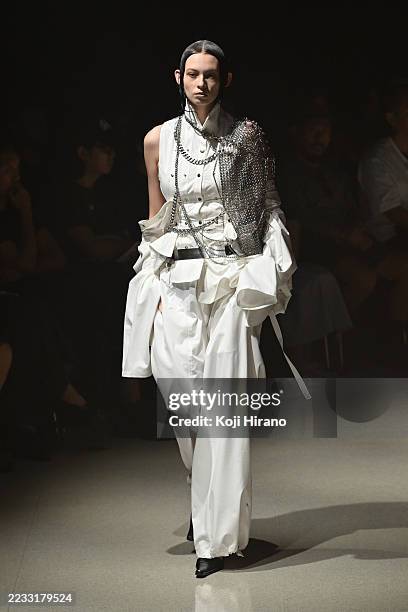
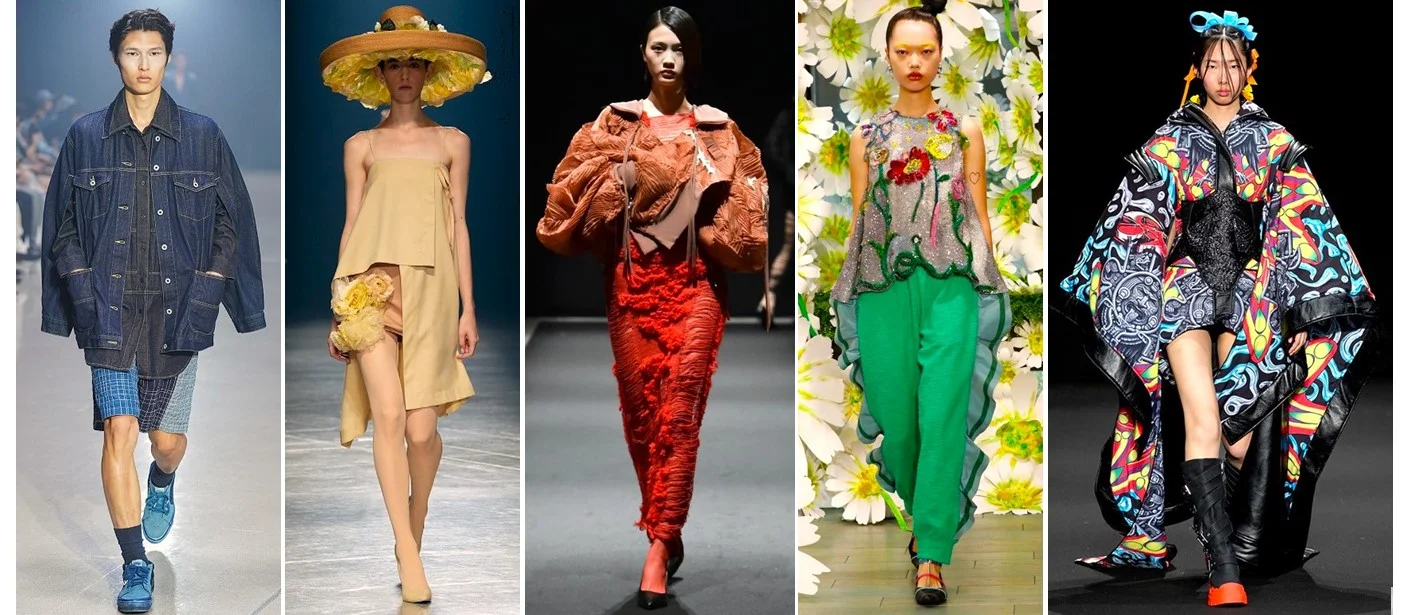
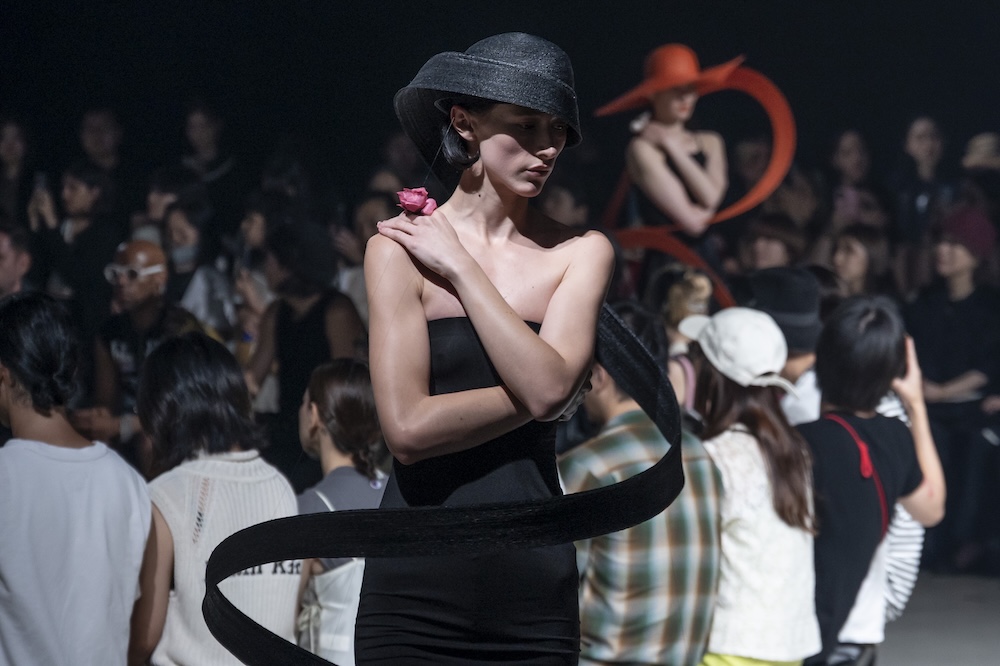
    While Paris is about the atelier and Milan is about the leather, Tokyo Fashion Week (Rakuten Fashion Week TOKYO) is about the sidewalk. In 2026, the boundary between the high-fashion runway and the neon-lit alleys of Harajuku has officially dissolved.

    Here is how the world’s most eclectic street culture dictates the trends of the world’s most exciting fashion week.

    1. The “Runway Before the Runway”

    In Tokyo, the real show happens at Shibuya Hikarie and Omotesando Hills—not just inside the halls, but on the steps outside. Photographers from global style bibles no longer just look at the models; they look at the “horde” of followers.

    • The “Attendee” Aesthetic: It is common to see guests dressed more avant-garde than the collections themselves.
    • Embodying the Brand: Brands like Orimi and mukcyen have achieved “cult status” where the audience and the models are indistinguishable, both wearing the same distorted silhouettes and “emergency sensuality” (a 2026 trend blending loungewear with medical-chic accents).

    2. Street Rebellion as High Art

    Tokyo designers don’t create trends in a vacuum; they “harvest” them from local subcultures.

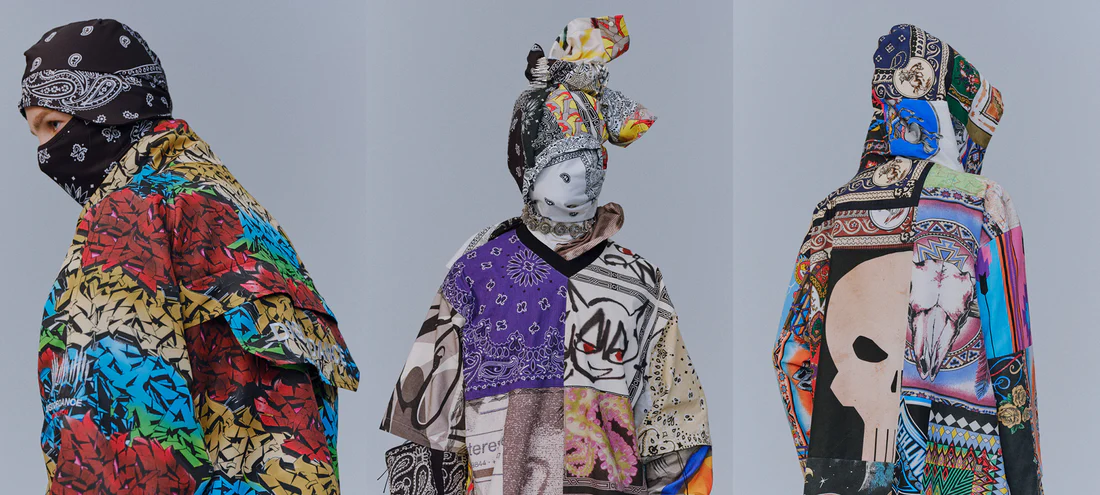
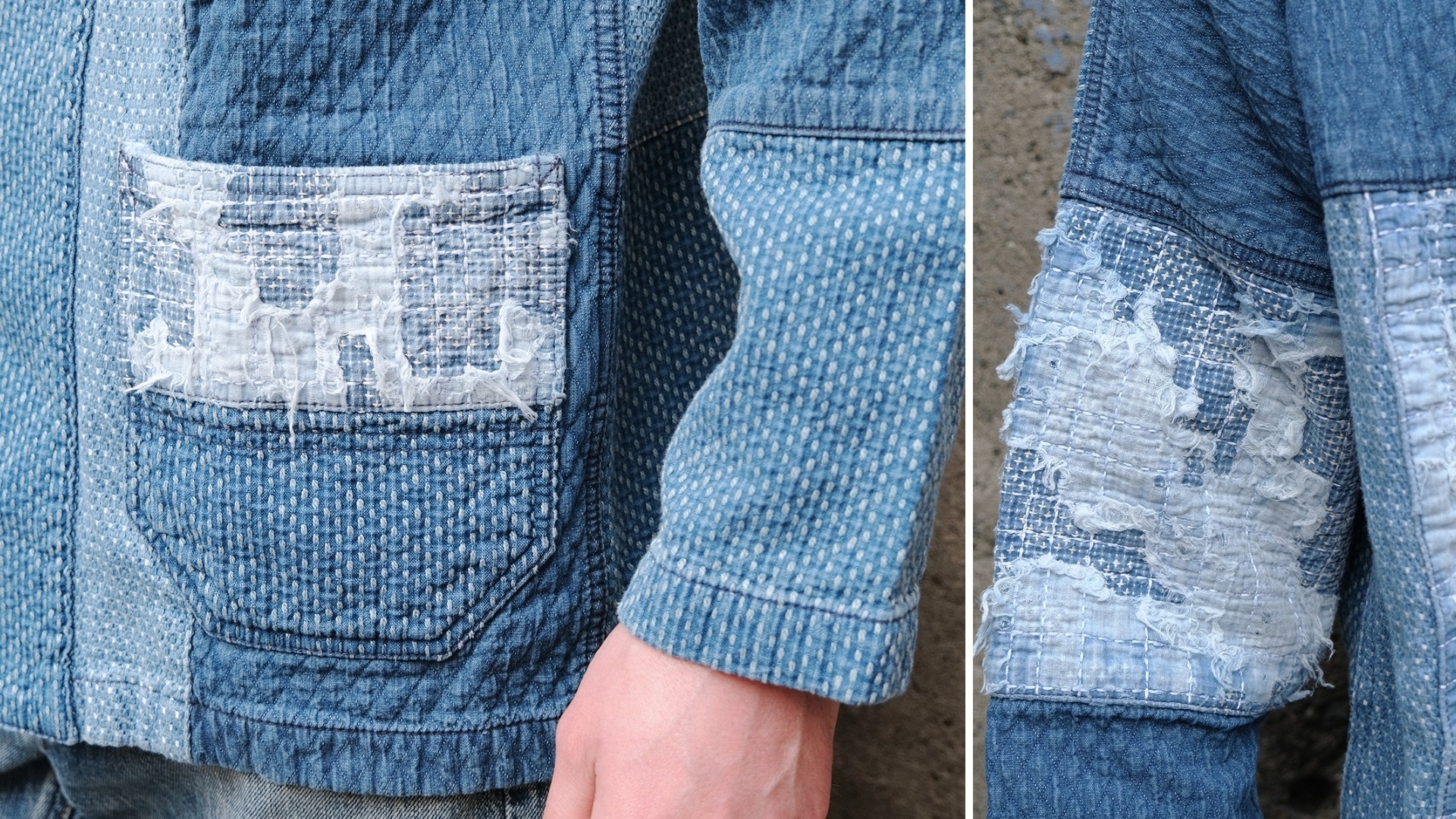
    • Sashiko & Upcycling: What started as a DIY street movement for sustainability has hit the big stage. Brands like FDMTL and Children of the Discordance have elevated traditional Japanese “Sashiko” stitching and reworked denim into high-luxury items.
    • Gender Fluidity: While Western runways often treat “unisex” as a marketing buzzword, Tokyo designers like Chika Kisada and Viviano treat it as a baseline. The streets’ love for oversized, layered, and non-binary shapes is the literal blueprint for the 2026 Autumn/Winter collections.

    3. Key 2026 Runway-to-Street Trends

    Based on the latest March 2026 shows, these three movements are moving from the catwalk back to the concrete:

    TrendInspirationRunway Execution
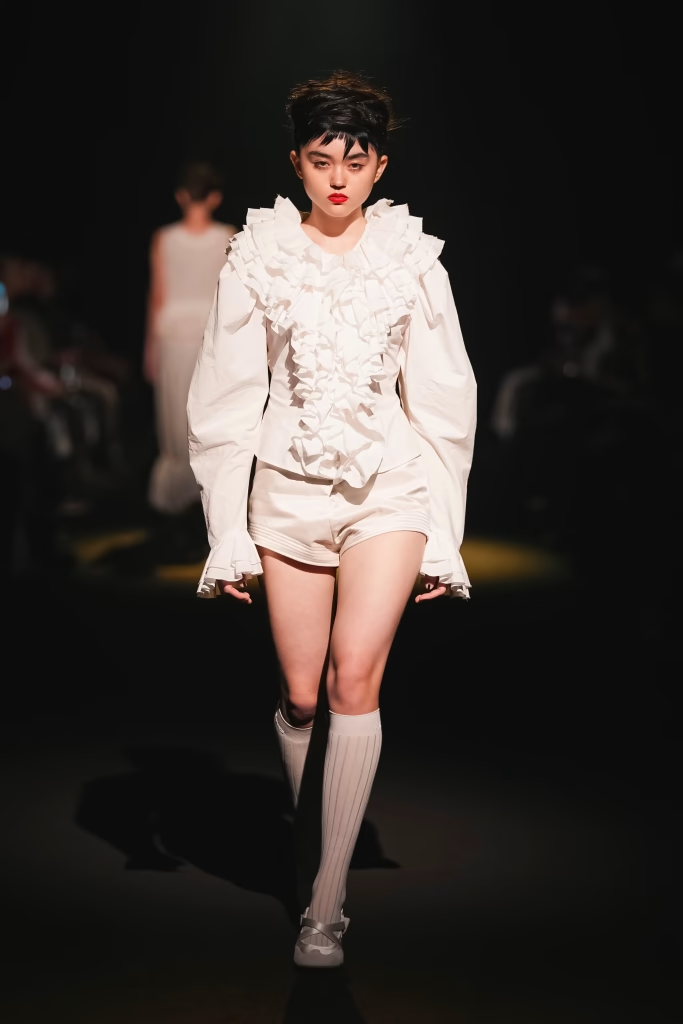
    Urban RomanticismHarajuku Fairy GrungeDelicate lace paired with “wonky” dark utility trousers.
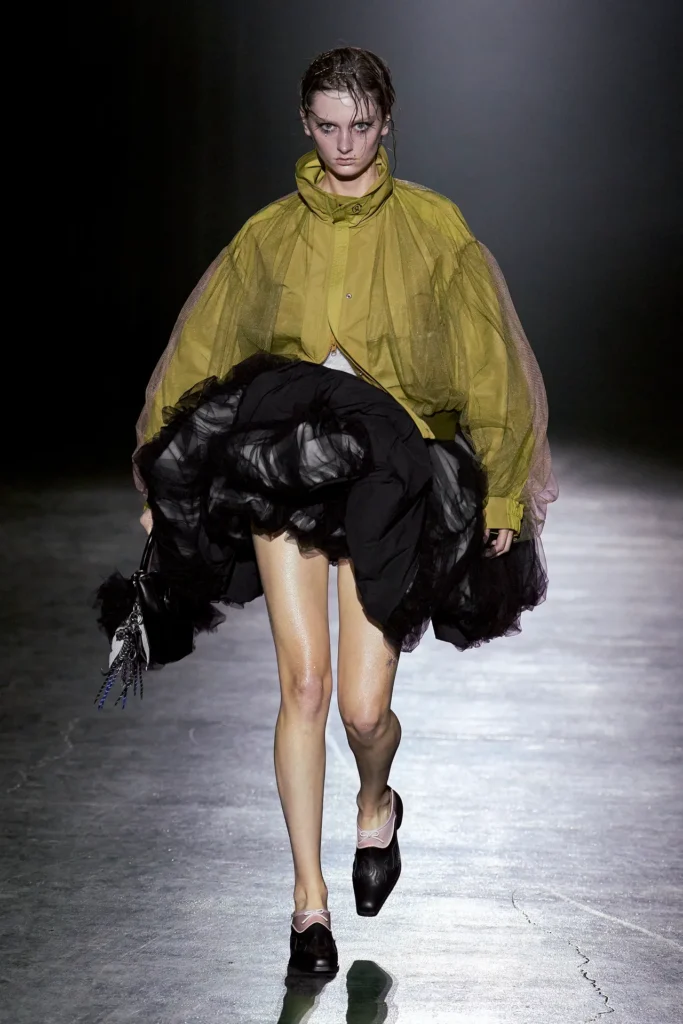
    Sensual TechCyberpunk & Techwear3D-wrinkled fabrics and skeletal-inspired garment construction.
    Neo-Western“Urban Cowboy” movementChocolate-toned leather, western-style button-downs, and wide-leg denim.

    4. The 20th Anniversary Shift

    This year marks the 20th anniversary of the Japan Fashion Week Organization (JFWO), and the theme is “Be the Seam that Connects the World.” * Focus on Tactility: After years of digital experimentation, the 2026 shows have returned to a “Physical-First” policy.

    • The “Incubation” Movement: New official categories now support fashion students from colleges like Marronnier, ensuring the raw, “unpolished” energy of youth culture is funneled directly into the professional schedule.

    “I know how things are done; I just don’t want to make them the right way.” — The prevailing spirit of the 2026 Tokyo runway.

  • Why Harajuku Became the Heart of Japanese Youth Fashion

    Why Harajuku Became the Heart of Japanese Youth Fashion

    If you’ve ever scrolled through photos of Tokyo, you’ve likely seen it: a vibrant, chaotic, and utterly mesmerizing explosion of color, layers, and fearless style. Welcome to Harajuku.

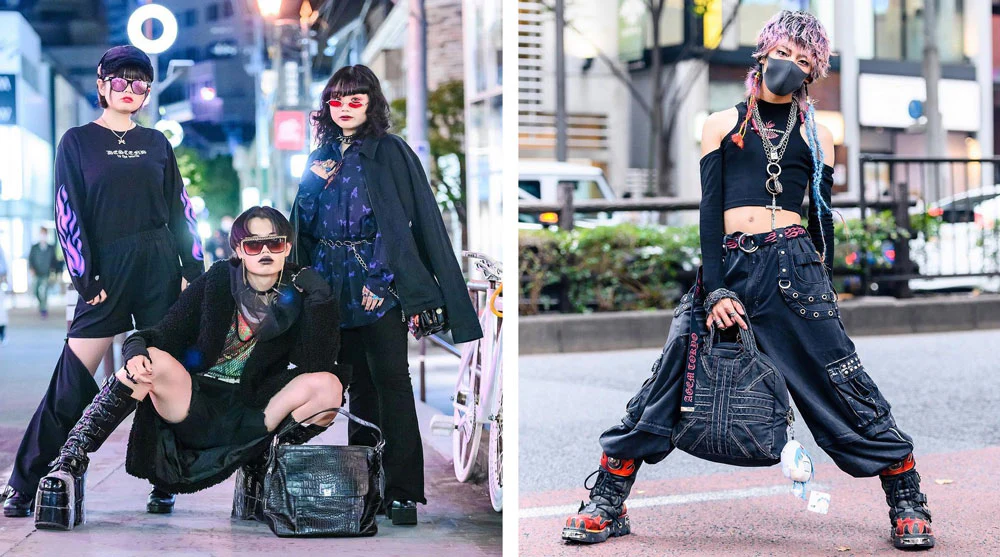
    Tucked between the bustling hubs of Shinjuku and Shibuya, this neighborhood isn’t just a shopping district—it’s a global symbol of avant-garde street fashion. From the frills of Lolita to the neon hair clips of Decora, Harajuku has birthed trends that have rippled across the globe.

    But how did a quiet neighborhood in Tokyo become the undisputed epicenter of youth rebellion and self-expression in a country known for its strict social conformity? Let’s take a walk down Takeshita Street and explore the history of Harajuku.

    The Post-War Window

    The story starts after World War II. During the allied occupation, the US military established a housing complex called Washington Heights near Harajuku station. Shops catering to American soldiers opened up, selling Western goods, denim, and records. For Japanese youth, Harajuku became a rare window into American culture and a completely different lifestyle.

    The “Pedestrian Paradise”

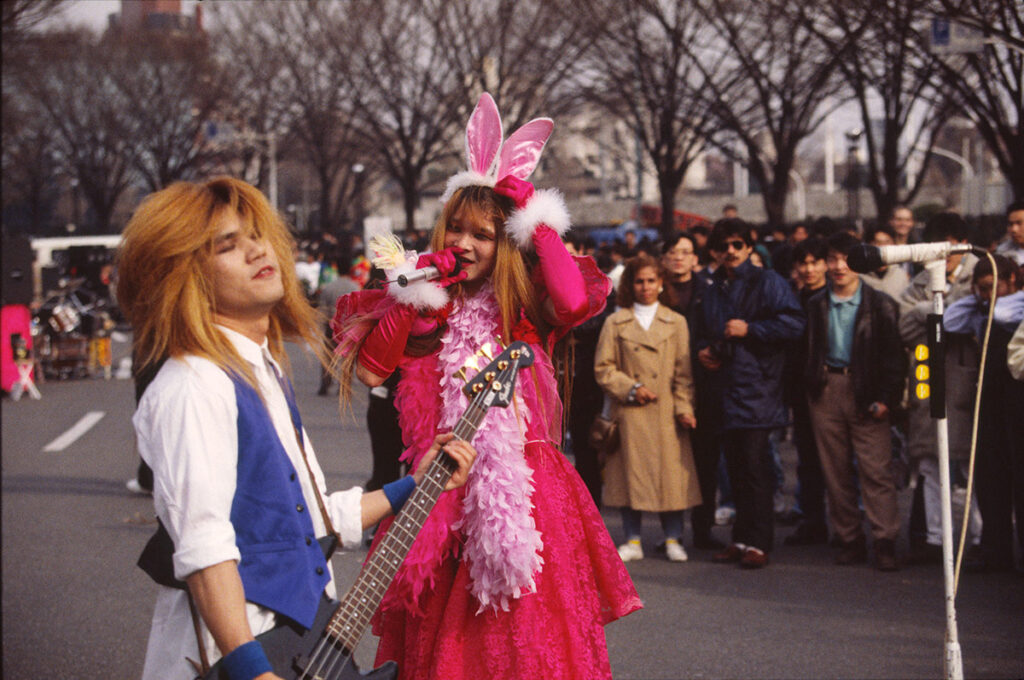
    In 1977, Harajuku introduced Hokoten (short for hokousha tengoku, or “pedestrian paradise”). Every Sunday, the main roads were closed to cars. This gave young people a massive, safe outdoor stage. Groups dressed in matching, brightly colored outfits would gather to dance, establishing Harajuku as the ultimate place to see and be seen.

    Ura-Hara and the Street Tribes

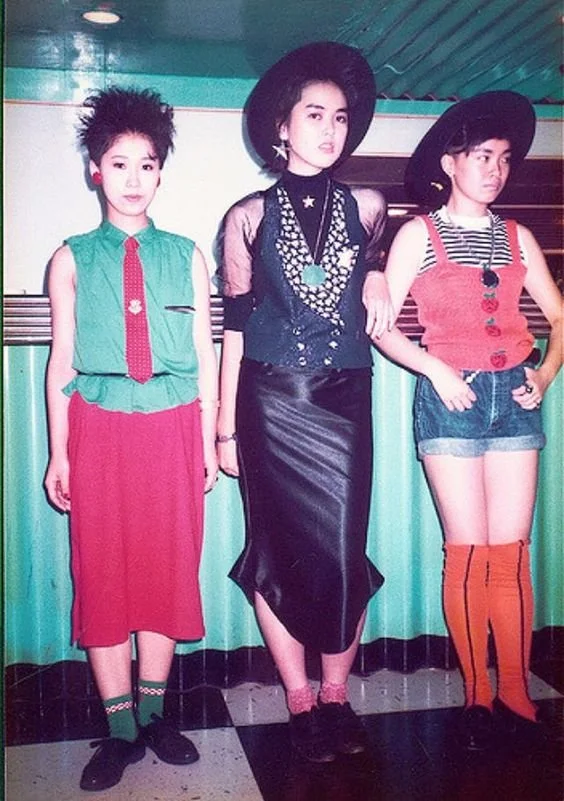
    By the 1990s, the winding backstreets known as Ura-Harajuku (or “Ura-Hara”) became the birthplace of Japanese streetwear. Pioneers like Hiroshi Fujiwara and Nigo (founder of A Bathing Ape) set up tiny, exclusive shops that influenced global modern streetwear.

    Simultaneously, youth subcultures were violently rejecting the rigid expectations of traditional Japanese society. They used clothes as armor, creating distinct tribes:

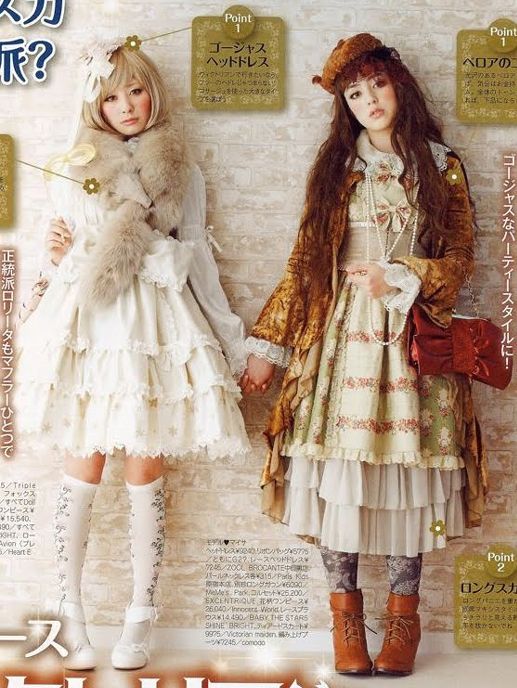
    • Lolita: Victorian-inspired frills, petticoats, and lace.
    • Decora: An explosion of bright colors and excessive plastic hair clips.
    • Visual Kei: A glam-rock and punk aesthetic with striking makeup.

    The FRUiTS Phenomenon

    Harajuku might have remained a local secret if not for photographer Shoichi Aoki. In 1997, he founded FRUiTS, a magazine dedicated entirely to documenting the uncurated, wild outfits of Harajuku kids. The magazine was exported internationally, putting the neighborhood on the mood boards of major fashion designers worldwide.

    A Sanctuary for Individuality

    While the rise of fast fashion and social media means the streets look a bit different today than they did in the 90s, Harajuku’s spirit lives on. It became the heart of Japanese youth fashion because it offered something incredibly rare: a sanctuary. In a society where the nail that sticks up gets hammered down, Harajuku remains the place where the brightest, most colorful nails go to shine.

WELCOM!

Exploring Subcultures fashion in Japan more.